Best Network Monitoring Software for 2026
Compare leading options, buyer considerations and key differences for 2026.
The strongest option depends on your organization’s requirements, budget and existing stack. Start by comparing Auvik, PRTG Network Monitor, Datadog Network Monitoring, SolarWinds Network Performance Monitor, then test the workflows that matter most to your team rather than choosing from a feature checklist alone.
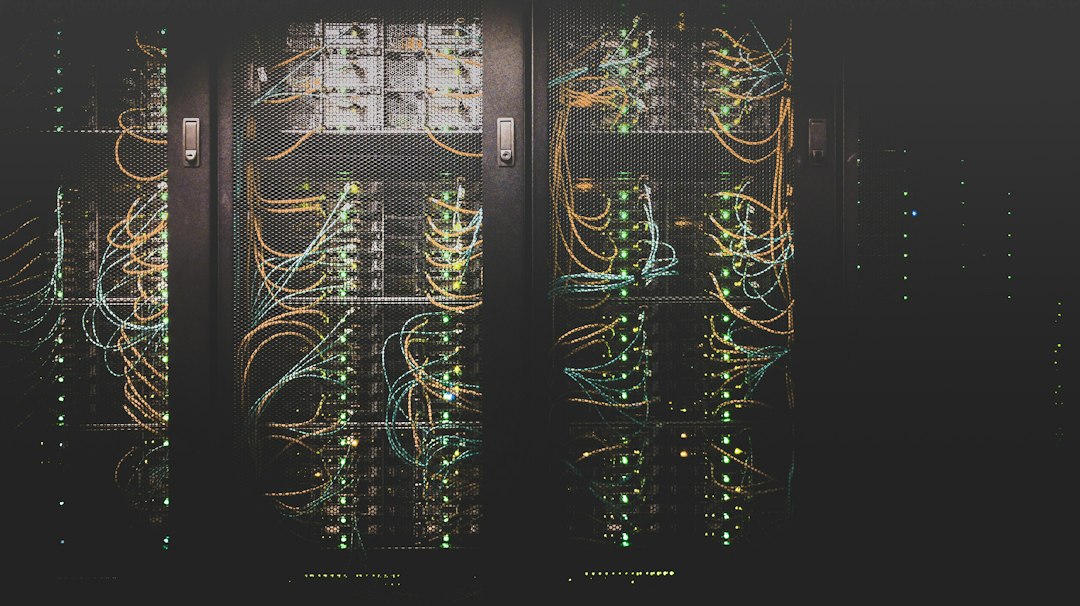
Network Monitoring Software should be evaluated around discovery, topology mapping, device health, traffic analysis, alerting, configuration visibility, cloud monitoring and reporting. Packaging changes frequently, so shortlist products based on the workflows you actually need and verify material purchasing details with each vendor.
Best Network Monitoring Software: quick comparison
| Software | What stands out | Good evaluation fit |
|---|---|---|
| Auvik | Cloud-based network discovery, monitoring and topology visibility for IT teams and MSPs. | Teams prioritizing depth and scale |
| PRTG Network Monitor | Broad sensor-based monitoring across network devices, traffic and infrastructure. | Teams prioritizing focused workflows |
| Datadog Network Monitoring | Network visibility tied into a wider cloud observability platform. | Organizations wanting broader platform coverage |
| SolarWinds Network Performance Monitor | Established network performance monitoring for larger and more complex environments. | Buyers wanting another strong fit to compare |
Leading network monitoring software to compare
1. Auvik
Cloud-based network discovery, monitoring and topology visibility for IT teams and MSPs. When evaluating Auvik, verify current pricing, plan limits, implementation requirements, integrations and support directly with the vendor.
2. PRTG Network Monitor
Broad sensor-based monitoring across network devices, traffic and infrastructure. When evaluating PRTG Network Monitor, verify current pricing, plan limits, implementation requirements, integrations and support directly with the vendor.
3. Datadog Network Monitoring
Network visibility tied into a wider cloud observability platform. When evaluating Datadog Network Monitoring, verify current pricing, plan limits, implementation requirements, integrations and support directly with the vendor.
4. SolarWinds Network Performance Monitor
Established network performance monitoring for larger and more complex environments. When evaluating SolarWinds Network Performance Monitor, verify current pricing, plan limits, implementation requirements, integrations and support directly with the vendor.
How to choose
Start with your network topology
Inventory sites, switches, routers, firewalls, wireless infrastructure, cloud resources and remote networks before comparing monitoring products. The right tool should discover infrastructure reliably, surface actionable dependencies and reduce alert noise rather than simply produce more telemetry.
Auvik vs PRTG vs Datadog vs SolarWinds NPM
Auvik is especially relevant for automated network discovery and network-focused visibility. PRTG Network Monitor offers broad sensor-based monitoring and can fit teams that want flexibility across many infrastructure types. Datadog Network Monitoring is compelling when network data should sit beside application, infrastructure and cloud observability. SolarWinds Network Performance Monitor remains a network-centric option for organizations evaluating mature monitoring and performance workflows.
Test alert quality
Do not judge a platform from a clean demo dashboard. Ask the vendor to model device failure, interface saturation and a dependency failure, then show alert suppression, topology context, escalation and historical troubleshooting.
Build a short requirements list before booking demos. Separate must-have requirements from conveniences, then score each product against the same real workflow. For this category, pay particular attention to discovery, topology mapping, device health, traffic analysis, alerting, configuration visibility, cloud monitoring and reporting. Ask vendors to demonstrate those requirements with realistic data rather than relying on roadmap promises.
Pricing should be modeled as total cost rather than the headline subscription. Include implementation, onboarding, add-ons, usage limits, premium integrations, support tiers and the internal cost of migration. For quote-based products, give each vendor the same user counts and requirements so proposals are comparable.
What to test during a trial or demo
- Complete one end-to-end workflow that mirrors how your team works today.
- Test permissions and administrator controls with realistic roles.
- Connect at least one business-critical integration and inspect what actually syncs.
- Build the report or dashboard leadership will expect after launch.
- Ask how data can be exported if you later change systems.
- Confirm implementation ownership, support response expectations and contract terms.
Frequently asked questions
What should buyers prioritize?
Should price be the main deciding factor?
How many products should be shortlisted?
How important are integrations?
How current is this guide?
Explore more software
Use KolApp Software Finder to browse software profiles, categories, alternatives, pricing information and integrations. Compare products against your own requirements before making a purchasing decision.