
Givebutter vs Donorbox: 2026 Comparison
Compare Givebutter and Donorbox for online donations, recurring giving, peer-to-peer fundraising, donor management, events, communications and fundraising fees.
Givebutter vs Donorbox at a glance
| Area | Givebutter | Donorbox |
|---|---|---|
| Core approach | All-in-one fundraising + CRM + engagement | Donation-focused fundraising platform |
| Donation forms | Yes | Yes |
| Recurring giving | Yes | Yes |
| Peer-to-peer | Yes | Yes |
| Events | Events, ticketing and auctions | Fundraising/event capabilities vary by feature |
| CRM | Free CRM with unlimited contacts | Donor management tools; evaluate depth against your CRM needs |
| Communications | Email and engagement tools; advanced automation in Plus | Fundraising-focused donor engagement tools |
| Platform fee model | 0% with optional tips enabled; 3% if tips disabled | Fees vary by product/feature; current feature pages show 2.95% for some tools |
Givebutter
Givebutter combines donation forms, fundraising pages, peer-to-peer campaigns, events, auctions, donor management, marketing, payment processing, a mobile app and integrations. Its free CRM allows unlimited contacts, while Givebutter Plus adds advanced workflows, reporting, texting and other engagement capabilities.

Donorbox
Donorbox offers donation forms and buttons, recurring giving, peer-to-peer and crowdfunding tools, memberships and text-to-give. Its donor-facing fundraising toolkit makes it especially relevant for organizations focused on making online giving easy and embedding donation experiences into an existing website.
Feature differences that matter
CRM and supporter management
Givebutter includes a free CRM with unlimited contacts alongside its fundraising tools, making it attractive to nonprofits trying to consolidate systems. Donorbox includes donor-management functionality, but organizations with complex development operations should test the exact database, segmentation and workflow requirements they expect from a CRM.
Events and auctions
Givebutter includes fundraising events and auction capabilities within its broader platform. If auctions, ticketing and event check-in are recurring parts of your fundraising calendar, test the full event lifecycle rather than only comparing donation forms.
Recurring giving
Both platforms support recurring giving. Test how donors start, update and cancel recurring plans; how failed payments are handled; and how recurring revenue appears in reports and donor records.
Communications and automation
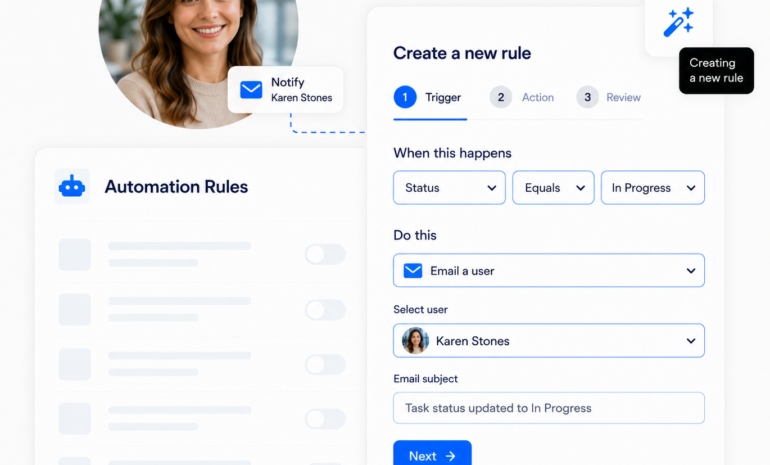
Givebutter includes personalized email and campaign updates in its standard platform, while Givebutter Plus adds automated workflows, texting, advanced email capabilities and deeper reporting. Buyers should compare those capabilities against the communications tools already in their nonprofit stack.
Givebutter vs Donorbox fees
Givebutter’s current Standard model charges 0% platform and processing fees to the nonprofit when optional donor tips are enabled under its Givebutter Guarantee. When tips are disabled, Givebutter charges a 3% platform fee plus standard processing of 2.9% + $0.30 for cards and digital wallets; verified nonprofits have a lower published ACH processing rate. Givebutter Plus is optional and currently starts at $29 per month when paid annually for under 250 contacts.
Donorbox pricing varies across its fundraising products and plans. Its current feature materials, for example, list a 2.95% Donorbox fee plus payment-processor fees for some fundraising tools. Because fees can differ by feature, plan and payment method, model your exact donation mix rather than relying on a single percentage.
How to choose between Givebutter and Donorbox
Create the same test campaign in both systems. Compare the mobile donation flow, recurring donation setup, donor-covered fee experience, peer-to-peer setup, campaign reporting, refunds, payout workflow, CRM handoff and finance reconciliation. If your nonprofit wants to consolidate fundraising, CRM and communications, test how much of your current stack Givebutter could replace. If your priority is the donor-facing donation experience, spend more of the evaluation on form customization, recurring giving and website embedding.
Frequently asked questions
Is Givebutter free?
Givebutter’s standard fundraising tools can be used with no platform or processing fees paid by the nonprofit when optional donor tips are enabled under its current Guarantee. If tips are disabled, a 3% platform fee plus processing applies. Givebutter Plus is an optional paid upgrade.
Does Givebutter include a CRM?
Yes. Givebutter currently includes a free CRM with unlimited contacts. Its paid Plus tier adds advanced workflows, reporting, texting and other features.
Does Donorbox support recurring donations?
Yes. Recurring giving is a core part of Donorbox’s fundraising toolkit, alongside donation forms, peer-to-peer fundraising and other donor-facing features.
Do both platforms support peer-to-peer fundraising?
Yes. Both offer peer-to-peer fundraising capabilities, so nonprofits should test campaign creation, fundraiser onboarding, team functionality and reporting rather than comparing only whether the feature exists.
What should nonprofits compare beyond platform fees?
Include payment processing, donor-covered fee options, subscriptions, paid add-ons, CRM requirements, email tools, integrations, events, implementation and staff time. The cheapest headline fee may not create the lowest total operating cost.
Research note: KolApp reviewed current vendor information in October 2026. Fundraising fees and packaging can change, so confirm final terms directly with each vendor.