
Bloomerang vs DonorPerfect: 2026 Comparison
Compare Bloomerang and DonorPerfect across donor management, fundraising, reporting, customization, automation, integrations and current pricing.
Bloomerang vs DonorPerfect at a glance
| Area | Bloomerang | DonorPerfect |
|---|---|---|
| Core orientation | Donor engagement, retention and fundraising | Configurable fundraising CRM and donor operations |
| Published starting price | $125/month, billed annually | From $99/month on current pricing page |
| Users | Unlimited users listed for CRM | Varies by package; confirm current quote |
| Reporting | Dashboards, segmentation, trend and filter-based reporting | Custom dashboards, standard/custom reports and scheduled reporting by plan |
| Fundraising | CRM plus bundled fundraising product | Fundraising functionality and integrated forms across suites |
| Customization | Custom fields, permissions and fundraising workflows | Custom fields, screens, reports and workflows |
| Built-in email builder and supporter journeys | Constant Contact included in current suites |
Bloomerang
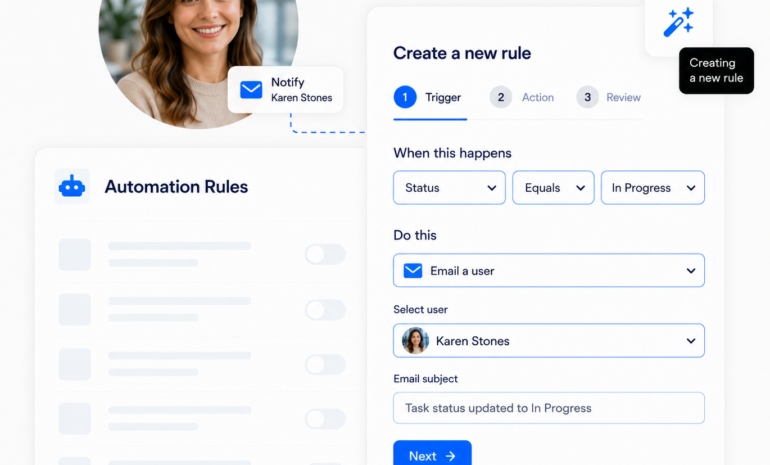
Bloomerang CRM provides a consolidated supporter profile, donor insights, task and major-gift management, grant and membership tracking, dashboards, segmentation and automated supporter journeys. Its current published CRM price starts at $125 per month billed annually, with unlimited users listed on the pricing page.
DonorPerfect
DonorPerfect combines donor records, gift tracking, online forms, payment processing, reporting and fundraising automation. Current packages start at $99 per month according to its pricing page, while higher packages add capabilities such as QuickBooks integration, moves management, batch gift entry, automated alerts, scheduled reports and API access.

Feature differences that matter
Donor records and relationship management
Both systems centralize supporter history. Bloomerang emphasizes a 360-degree supporter view, engagement signals and constituent timelines. DonorPerfect emphasizes configurable fields, screens, permissions and workflows so teams can adapt the database to established fundraising processes.
Reporting and segmentation
Bloomerang provides dashboards, dynamic segmentation, trend analysis and filter-based reporting. DonorPerfect publishes a broad reporting toolset including standard and custom reports, dashboards and scheduled reports, with some advanced capabilities dependent on package.
Fundraising and communications
Bloomerang pairs its CRM with a fundraising product for donation forms, events, peer-to-peer fundraising, auctions and text fundraising; its CRM also includes email and automated supporter journeys. DonorPerfect includes integrated donation, volunteer, membership and event forms in its current suites and includes Constant Contact for email marketing.
Data management and customization
Bloomerang highlights duplicate management, nightly data stewardship updates, custom fields and configurable permissions. DonorPerfect allows organizations to customize fields, screens and workflows and provides tools for donor segmentation and automated processing. Teams migrating from a highly customized database should prototype their most unusual fields and reports in both products.
Bloomerang vs DonorPerfect pricing
Bloomerang currently publishes CRM pricing from $125 per month billed annually. Bloomerang Fundraising starts at $40 per month and must be purchased as part of a CRM bundle, while Bloomerang Volunteer starts at $119 per month. DonorPerfect’s current pricing page says fundraising suites start at $99 per month and asks buyers to request a custom quote for individual packages.
Because the vendors package functionality differently, compare the complete configuration your organization needs rather than the headline price. Include database size, users, fundraising forms, email, payment processing, events, volunteers, accounting integrations, API access, migration and support.
How to choose between Bloomerang and DonorPerfect
Build a demo script around your real fundraising operation. Ask both vendors to show a donor household, recurring gifts, a major-gift prospect, a lapsed-donor segment, an acknowledgment workflow, a board report, a campaign dashboard and a data export. If your organization relies on unusual custom fields or reports, include those in the demo rather than assuming they will translate cleanly.
Also request a written quote using the same assumptions for records, users and modules. That makes it easier to compare first-year implementation costs and the likely cost as your donor database grows.
Frequently asked questions
How much do Bloomerang and DonorPerfect cost?
Bloomerang currently lists CRM from $125 per month billed annually. DonorPerfect’s current pricing page says its fundraising suites start at $99 per month, with package-specific pricing available by quote.
Do both platforms support online fundraising?
Yes. Bloomerang offers donation forms and broader digital fundraising through Bloomerang Fundraising. DonorPerfect includes integrated donation forms and payment processing in its current fundraising suites.
Can both systems manage donor communications?
Yes. Bloomerang includes an email builder, letters and automated supporter journeys. DonorPerfect currently includes Constant Contact in its suites and supports automated receipts, acknowledgments and outreach workflows.
Which system is more customizable?
Both provide customization, but buyers should test their exact requirements. DonorPerfect explicitly emphasizes configurable fields, screens, reports and workflows, while Bloomerang supports custom fields, permissions, segmentation and fundraising workflows.
What should we test before migrating?
Test households, historical gifts, recurring donations, soft credits, pledges, custom fields, campaign attribution, duplicate handling, acknowledgments, permissions and the reports your board and development team rely on.
Research note: Product capabilities and public pricing were reviewed against current vendor information in October 2026. Vendor comparison pages may contain competitive claims; KolApp does not treat those claims as independent findings.